


Understanding the Role of a Sound Recordist
- Jamison Sweet

- Dec 8, 2025
- 3 min read
Sound plays a crucial role in storytelling, whether in film, television, radio, or live events. The quality of audio can make or break the audience's experience. Behind every clear dialogue, immersive background noise, and crisp sound effect is a professional known as the sound recordist. This expert is responsible for capturing the best possible audio during production, ensuring that the final product sounds natural and engaging.
The Role of Sound Recordist in Audio Production
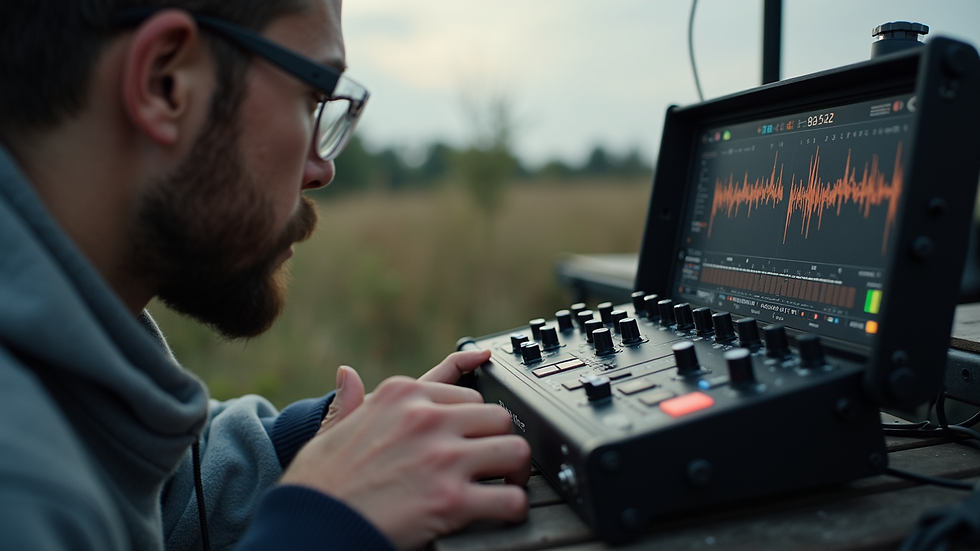
A sound recordist is the person who manages all aspects of sound recording on set or location. Their primary responsibility is to capture clean, high-quality audio that matches the director’s vision. This includes dialogue, ambient sounds, and any other audio elements needed for the project.
Some key duties of a sound recordist include:
Setting up microphones and audio equipment
Monitoring sound levels and adjusting settings in real-time
Troubleshooting technical issues during recording
Collaborating with the director, actors, and other crew members to ensure sound quality
Logging audio takes and maintaining detailed records for post-production
For example, during a film shoot, the sound recordist will carefully place boom microphones to capture actors’ voices without picking up unwanted background noise. They may also use wireless lavalier microphones hidden on actors to ensure consistent sound capture.

Essential Skills and Equipment for a Sound Recordist
To excel in this role, a sound recordist must have a mix of technical knowledge, creativity, and problem-solving skills. Understanding acoustics, microphone types, and audio recording devices is fundamental. They also need to be quick thinkers, able to adapt to changing environments and unexpected challenges.
Key skills include:
Technical proficiency: Operating mixers, recorders, and microphones
Attention to detail: Detecting subtle audio issues before they become problems
Communication: Working closely with directors and crew to meet sound requirements
Patience and focus: Long hours on set require concentration and endurance
Common equipment used by sound recordists:
Microphones: Boom mics, lavalier mics, shotgun mics
Mixers: Portable audio mixers to balance sound inputs
Recorders: Digital audio recorders with high fidelity
Headphones: For monitoring sound quality live
Windshields and shock mounts: To reduce unwanted noise and vibrations
Using the right equipment and techniques, a sound recordist can capture audio that enhances the storytelling and immerses the audience.
How a Sound Recordist Impacts the Final Production
The work of a sound recordist directly influences the quality of the final product. Poorly recorded audio can distract viewers and reduce the impact of the story. Conversely, excellent sound recording adds depth and realism.
For instance, in a nature documentary, capturing authentic ambient sounds like birds chirping or water flowing helps transport the audience to the scene. In a dialogue-heavy drama, clear and balanced voice recordings ensure that every word is understood without strain.
Moreover, a skilled sound recordist anticipates potential issues such as background noise, echoes, or interference. They take proactive steps to minimize these problems during recording, saving time and effort in post-production.
Tips for Aspiring Sound Recordists
If you are interested in becoming a sound recordist, here are some practical recommendations to get started:
Gain hands-on experience: Volunteer on student films, local theater productions, or community events to practice setting up and recording sound.
Learn about audio technology: Take courses or workshops on sound engineering and audio equipment.
Build a quality kit: Invest in reliable microphones, recorders, and headphones as your budget allows.
Develop a good ear: Practice listening critically to different sounds and identifying issues.
Network with industry professionals: Join forums, attend industry events, and connect with other sound technicians.
Stay updated: Audio technology evolves rapidly, so keep learning about new tools and techniques.
For those looking for professional-grade equipment or services, a sound recordist mixer can provide expert solutions tailored to your needs.
The Future of Sound Recording in Media
As technology advances, the role of the sound recordist continues to evolve. Innovations such as wireless audio systems, digital mixers, and advanced noise reduction software have transformed how sound is captured and processed.
Virtual reality (VR) and augmented reality (AR) projects demand immersive 3D audio, requiring sound recordists to develop new skills and approaches. Additionally, remote recording and live streaming have become more common, pushing sound professionals to adapt to new workflows.
Despite these changes, the core mission remains the same: to capture authentic, high-quality sound that supports the story. Sound recordists who embrace technology while maintaining strong fundamentals will continue to be essential in the media industry.
Understanding the role of a sound recordist reveals how vital this profession is to creating compelling audio experiences. Whether working on a blockbuster film, a podcast, or a live event, sound recordists bring stories to life through sound. Their expertise ensures that every whisper, footstep, and background noise contributes meaningfully to the final production.


Comments