


The Role of Audio Professionals in On-Location Productions
- Jamison Sweet

- Jan 26
- 4 min read
When a film or video production moves outside the controlled environment of a studio, capturing high-quality sound becomes a unique challenge. On-location productions demand a specialized skill set to ensure that audio is clear, balanced, and free from unwanted noise. This is where audio professionals play a crucial role. Their expertise can make the difference between a production that sounds amateurish and one that immerses the audience fully.
Understanding the Importance of Audio Professionals in On-Location Settings
Audio professionals are responsible for capturing and managing sound during filming. Unlike studio recordings, on-location shoots face unpredictable environmental factors such as wind, traffic, crowds, and natural echoes. These variables require audio experts to adapt quickly and use specialized equipment to maintain sound quality.
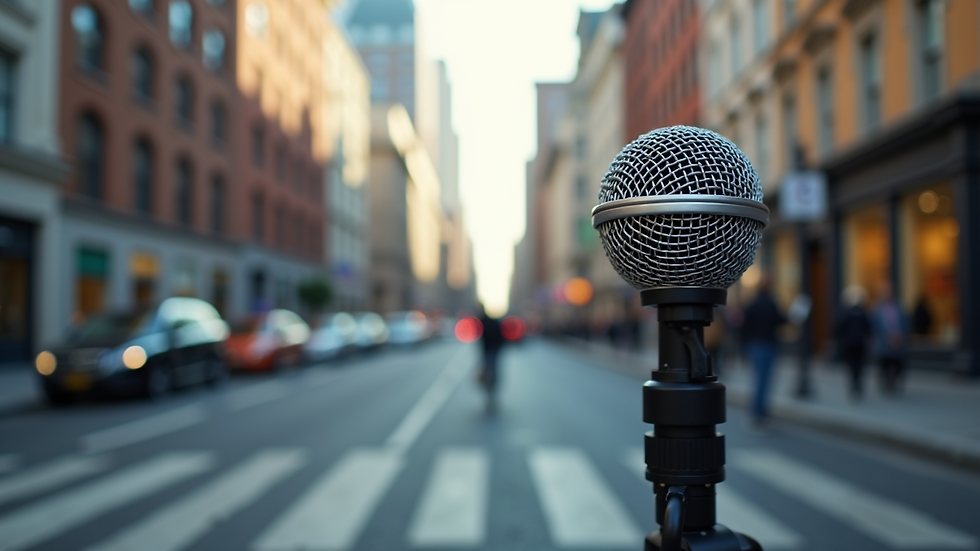
For example, a bustling city street scene might have sirens, honking cars, and pedestrian chatter. An audio professional must isolate the actors’ voices while minimizing background noise. This often involves using directional microphones, windshields, and real-time monitoring to adjust settings on the fly.
Key responsibilities of audio professionals include:
Selecting and positioning microphones for optimal sound capture
Monitoring audio levels to prevent distortion or clipping
Managing wireless systems to avoid interference
Collaborating closely with the director and camera crew to anticipate scene changes
Their work ensures that dialogue, ambient sounds, and effects are recorded cleanly, reducing the need for costly post-production fixes.
Essential Skills and Tools Used by Audio Professionals
Audio professionals bring a combination of technical knowledge and creative problem-solving to on-location productions. They must understand acoustics, electronics, and the behavior of sound in different environments.
Some essential tools they use include:
Shotgun microphones: Highly directional mics that focus on sound from a specific source while rejecting off-axis noise.
Lavalier microphones: Small, clip-on mics ideal for capturing dialogue discreetly.
Field mixers and recorders: Portable devices that allow real-time audio mixing and high-quality recording.
Windshields and blimps: Protective covers that reduce wind noise during outdoor shoots.
Headphones: For continuous monitoring of audio quality during recording.
In addition to equipment, audio professionals must be adept at troubleshooting technical issues quickly. For instance, if a wireless microphone loses signal, they need to switch frequencies or replace batteries without disrupting the shoot.
Collaboration and Communication on Set
Successful on-location audio capture depends heavily on teamwork. Audio professionals work closely with directors, camera operators, and actors to ensure sound is prioritized without hindering the creative process.
Clear communication is vital. Before shooting, the audio team often participates in location scouts to identify potential sound challenges. They may suggest changes such as:
Adjusting shooting times to avoid peak traffic noise
Using sound blankets or barriers to dampen echoes
Recommending alternate camera angles to reduce microphone visibility
During filming, the audio team signals when sound issues arise, allowing the director to pause or adjust scenes. This proactive approach saves time and money by preventing the need for extensive ADR (Automated Dialogue Replacement) later.

The Role of the location sound mixer and recordist
Among audio professionals, the location sound mixer and recordist holds a pivotal role. This individual is responsible for capturing all live sound on set, including dialogue, ambient noise, and sound effects. They mix audio signals in real-time, balancing levels and ensuring clarity.
The location sound mixer and recordist must be highly skilled in operating complex equipment under pressure. They often coordinate with boom operators and wireless mic technicians to capture the best possible sound. Their expertise directly impacts the production’s overall audio quality and viewer experience.
Best Practices for Audio Professionals in On-Location Productions
To excel in on-location sound recording, audio professionals should follow these best practices:
Conduct thorough location surveys: Identify potential sound issues before shooting begins.
Use high-quality, reliable equipment: Invest in gear that performs well in diverse environments.
Prepare for environmental challenges: Carry windshields, sound blankets, and backup batteries.
Maintain clear communication: Keep all departments informed about sound needs and limitations.
Monitor audio continuously: Use headphones and meters to catch problems early.
Stay adaptable: Be ready to change microphone placement or settings as scenes evolve.
Document settings and conditions: Record details to assist post-production teams.
By adhering to these guidelines, audio professionals can significantly enhance the sound quality of on-location productions, contributing to a polished final product.
Enhancing Storytelling Through Sound
Sound is a powerful storytelling tool. On-location audio professionals do more than just capture dialogue; they help create an immersive atmosphere that supports the narrative. Ambient sounds like rustling leaves, distant traffic, or footsteps add realism and depth to scenes.
For example, in a forest scene, capturing the subtle sounds of wildlife and wind can transport viewers into the environment. Conversely, in a tense urban chase, sharp, clear footsteps and breathing can heighten suspense.
Audio professionals understand how to balance these elements, ensuring that sound complements the visuals without overpowering them. Their work enriches the audience’s emotional connection to the story.
Final Thoughts on the Impact of Audio Professionals
The role of audio professionals in on-location productions is indispensable. Their expertise ensures that sound quality matches the visual excellence of a project. From managing technical challenges to enhancing storytelling, they contribute significantly to the success of any production.
Investing in skilled audio professionals and quality equipment pays off by reducing post-production costs and improving audience engagement. Whether working on a small indie film or a large commercial shoot, their presence is a key factor in achieving professional results.
By understanding and appreciating the role of audio professionals, productions can elevate their sound design and deliver a truly immersive viewing experience.


Comments